
The Hidden Ocean Under the Sahara — What Satellites Just Found
Published on 4/9/2026
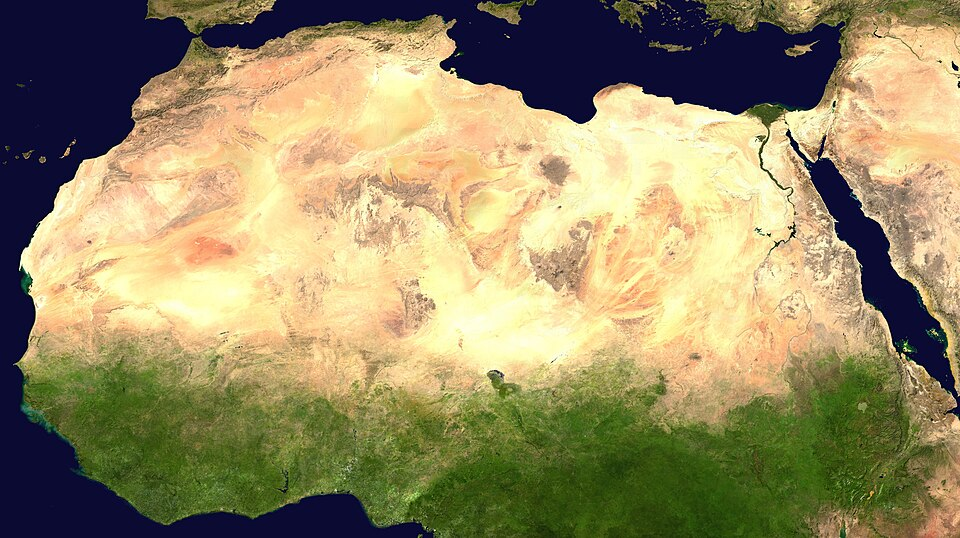
When most people imagine the Sahara Desert, they picture endless golden dunes, scorching heat, and no sign of water for miles. It's the largest hot desert in the world, stretching across 9 million square kilometers, almost the size of the entire United States. But here's something few people know, deep below this vast desert lies a massive underground ocean of ancient water.
This hidden water isn't new, it's been there for thousands, even millions of years. Scientists call these underground reserves aquifers, and recent satellite missions have revealed that the Sahara hides some of the largest aquifer systems on Earth.
• What the Satellites Found
Using radar and gravity data from satellites like NASA's GRACE (Gravity Recovery and Climate Experiment) and ESA's SMOS (Soil Moisture and Ocean Salinity), scientists were able to detect unusual patterns beneath the desert floor. These measurements showed variations in underground density, which turned out to be enormous water deposits trapped between layers of sandstone.
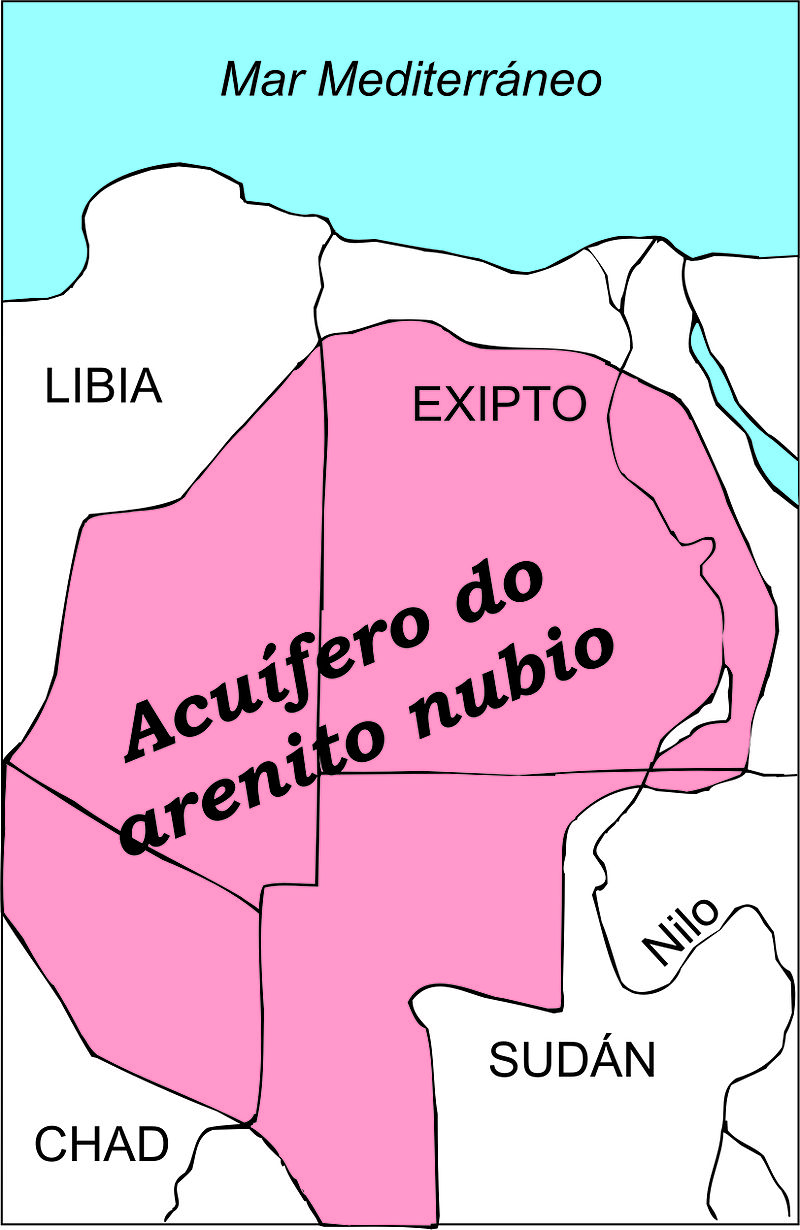
One of the biggest discoveries is the Nubian Sandstone Aquifer System (NSAS). It stretches across Egypt, Libya, Sudan, and Chad, covering more than 2 million square kilometers, about twice the size of Greenland. According to research from UNESCO and NASA, it holds an estimated 150,000 cubic kilometers of groundwater. That's about three times the volume of the Mediterranean Sea.
• A Memory of the Green Sahara
Thousands of years ago, the Sahara wasn't a desert at all. Satellite and fossil evidence show that it was once a lush landscape filled with rivers, lakes, and animals like elephants, hippos, and crocodiles. This period, called the African Humid Period, lasted roughly from 10,000 to 5,000 years ago.
When the climate shifted and rainfall disappeared, surface water evaporated, but much of it sank deep into the ground, trapped in porous rock. That ancient rainwater is what now forms the Sahara's hidden ocean. Scientists sometimes call it fossil water, because it comes from a time when the desert was green.